Compare custom crating for art and glass
Give each company dimensions, materials, condition and handling instructions before it prices a special item.
Specify the object
For a NoDa studio move, identify any framed work, sculpture, glass or protruding parts. Ask the artist, conservator or manufacturer about surface protection and orientation if needed.
Define the crate and the crew
Find out who builds the crate, whether it stays upright, and whether opening and disposal are included. Confirm that a finished crate fits the narrowest doorway and elevator.
Document condition and value
Take dated condition photos and read exclusions for owner-packed or unusually valuable items. Ask what documentation the carrier needs before pickup.
Mirrors and framed artwork
Measure the frame and record whether the glass or frame is already damaged. Ask who supplies corner protection and a fitted mirror carton or crate, how the piece will be oriented in transit, and which packing materials can touch the surface. Keep adhesive away from artwork and fragile finishes.
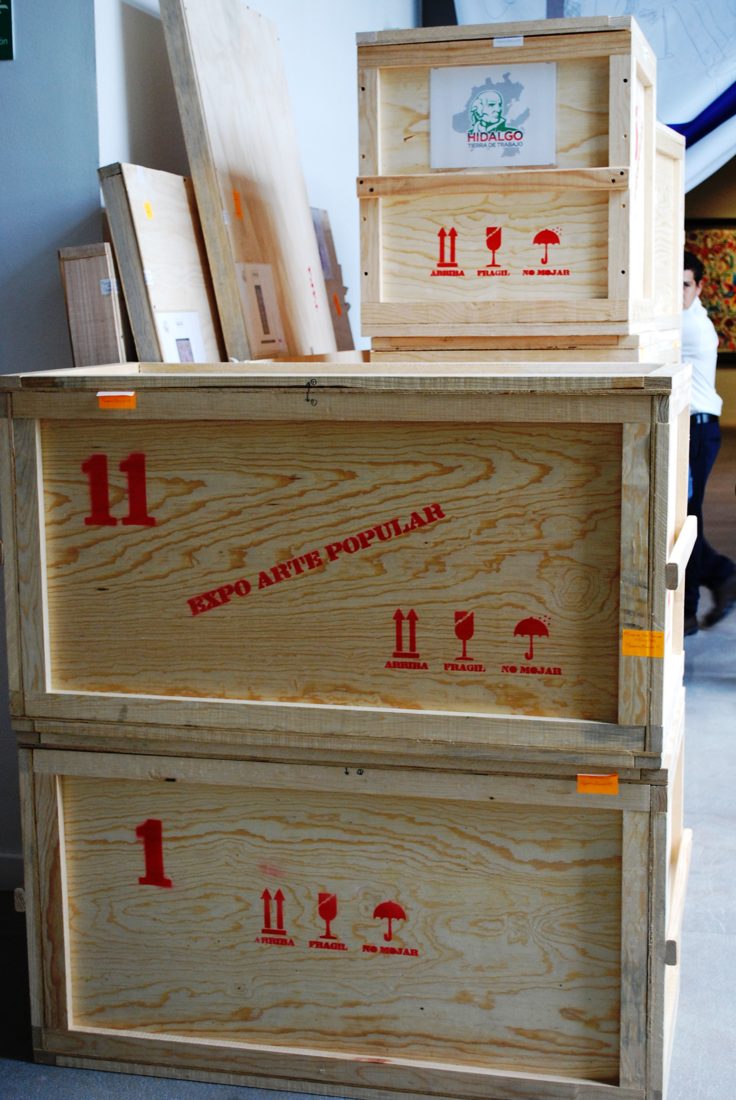
Antiques and irregular pieces
Record loose joints, inlays, previous repairs and detachable parts. If you are unsure how a finish or surface will react to wrapping, ask a conservator or specialist packer. Ask the carrier whether it will crate on site and whether the quoted service includes uncrating and disposal.
Next, compare written proposals, check carrier authority or build your itinerary.